
Caribbean vs. Mediterranean Cruise: Choosing Your First International Voyage
For many travelers planning their first international cruise, the decision comes down to two regions: the Caribbean and the Mediterranean. Both are iconic. Both are well-served by cruise lines across every price range. And both attract millions of visitors each year for very different reasons. The question is not which one is better — it is which one is better for you.
Here is a direct comparison across the factors that matter most: weather, culture, cost, ease of travel, port experience, and the kind of traveler each region suits best.
Weather and Best Timing
The Caribbean is warm year-round, with average temperatures in the mid-80s Fahrenheit throughout most of the region. The primary weather consideration is hurricane season, which runs from June through November with peak activity in August and September. Most cruisers choose the Caribbean from November through April for reliably calm weather, though itineraries run year-round and the risk is manageable with the right insurance and itinerary choices.
The Mediterranean has a more pronounced season. Summer, from June through August, is the warmest and busiest period, with temperatures sometimes exceeding 95°F in ports like Athens and Dubrovnik. Spring, from April through June, and autumn, from September through October, offer comfortable temperatures and noticeably lighter crowds. Winter Mediterranean sailings exist but cover fewer ports and focus more on the western region.
For travelers from San Antonio who are accustomed to summer heat, a spring or autumn Mediterranean sailing is often the most comfortable. A Caribbean sailing in January or February offers warm weather when home is cold.
Cultural Experience
This is where the two regions diverge most significantly. The Caribbean experience is primarily centered on natural beauty: beaches, reefs, tropical landscapes, and water-based activities. The cultural depth of any single island is genuine but contained — local food, music, and history are all accessible, but the draws are overwhelmingly visual and recreational.
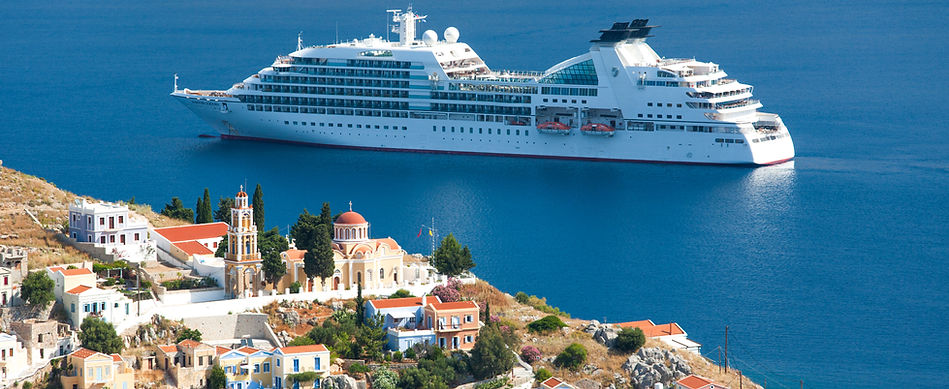
The Mediterranean is one of the most historically rich regions on earth. A single itinerary might move from the ruins of Pompeii to the churches of Dubrovnik to the Acropolis in Athens to the colosseum in Rome. The layering of Greek, Roman, Ottoman, and Renaissance history on every coast gives the Mediterranean an intellectual and cultural weight that the Caribbean does not match. If museums, ancient sites, and architectural history are central to why you travel, the Mediterranean is the stronger choice.
Cost and Logistics
The Caribbean has a significant advantage for travelers based in the southern and eastern United States. Departure ports including Miami, Fort Lauderdale, Tampa, Galveston, and New Orleans are within a short flight or even a long drive from San Antonio, which eliminates or reduces the cost of international airfare. A Caribbean cruise booked on short notice is relatively accessible.
A Mediterranean cruise almost always requires transatlantic airfare, and the major departure ports — Barcelona, Rome, Venice, Lisbon — are a full travel day from Texas. That adds meaningfully to both cost and travel time. Most travelers who invest in the Mediterranean airfare extend their trip with pre- or post-cruise time in Europe to justify the journey, which adds to the total budget but also to the richness of the experience.
Port Accessibility and Getting Around
Caribbean ports vary in complexity. Some, like Nassau and St. Maarten, are very easy: the ship docks near a waterfront area with shops, beaches, and clear signage for taxis. Others require a tender, particularly smaller or less-developed islands. The ports are generally tourist-friendly with English widely spoken.
Mediterranean ports are more varied. Several top destinations — including Rome and Florence — require a 60-to-90 minute transfer from the pier to the city center. Language is not a barrier at most tourist sites, but navigating independently in a place where you do not speak the language requires more planning. The rewards are substantial, but the logistical demands are higher than in the Caribbean.
Beach vs. Sightseeing Balance
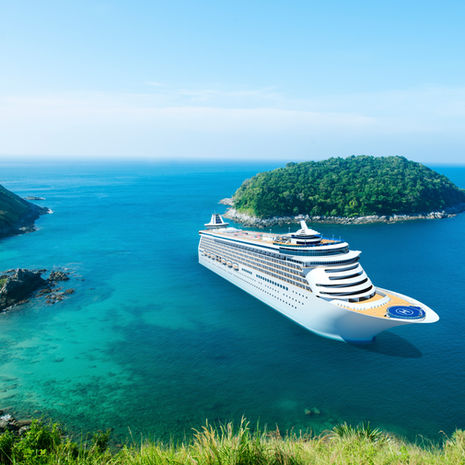
A Caribbean cruise can genuinely be oriented around beaches if that is what you want. In nearly every port, a good beach is accessible and many ship excursions are built around beach clubs, snorkeling, and water activities. Sea days are warm and the pools are inviting.
A Mediterranean cruise can include beach time, but most travelers choose it primarily for the sightseeing. The best use of a Mediterranean port day is almost always time spent at a historical site, a hilltop town, a vineyard, or in a waterfront city center. A traveler who wants to spend most of the trip on the beach is likely to enjoy the Caribbean more.
Which Should You Choose First?
Choose the Caribbean for your first cruise if you want a lower-cost introduction to cruising, prefer warm weather and beach time, are traveling with children or a mixed-age group, are based in the southern United States, or simply want an easier, more relaxed introduction to the format.
Choose the Mediterranean for your first cruise if you are motivated primarily by history and culture, are willing to invest in transatlantic airfare, prefer a cooler and more varied port experience, and are comfortable with more logistical planning in port.
Many travelers do both over the course of their cruising life and find each satisfying in a completely different way. Neither is a wrong choice — they are different vacations that happen to involve a ship.
Plan Your First International Cruise with Krystal Travel
Whether you are drawn to the turquoise waters of the Caribbean or the ancient streets of the Mediterranean, Krystal Travel Co. in San Antonio is ready to help you plan it right. Patti Kirst has sailed both regions personally and brings over 30 years of experience to every itinerary. Call 210-826-4149, explore our cruise planning services, or get in touch to start planning your voyage. Se habla español.