Solo Travel After 60: How to Explore the World with Confidence
Solo travel after 60 is one of the most liberating things a person can do. You answer to no one else’s schedule. You stay as long as you want in a museum, change your plans on a whim, and spend your budget exactly as you choose. For travelers who have spent decades accommodating others, traveling alone for the first time can feel like discovering a new version of yourself.
It can also feel daunting. The practical questions — safety, cost, loneliness, logistics — are real and deserve real answers. This guide addresses all of them, honestly, and explains why the reality of solo travel after 60 is often far less complicated than the anticipation.
Why More People Over 60 Are Traveling Solo
Solo travel among older adults has grown substantially over the past decade, and the reasons are varied. Some travelers are widowed or divorced and discover that waiting for a travel companion means not going at all. Others have always wanted to travel independently but prioritized family or partner preferences for years. Some simply reach a point where they realize the trip they have dreamed of is not going to plan itself.
The result is a generation of confident, experienced solo travelers who are among the most rewarding guests the travel industry serves. They know what they want, they are not intimidated by unfamiliar places, and they bring a depth of life experience to every destination that enriches the journey. If you are considering solo travel for the first time after 60, the community you are joining is much larger than you might think.
Choosing the Right Type of Trip for Solo Travel
Not all travel formats are equally well suited to solo travel, and choosing one that naturally creates connection and structure makes the experience significantly better.
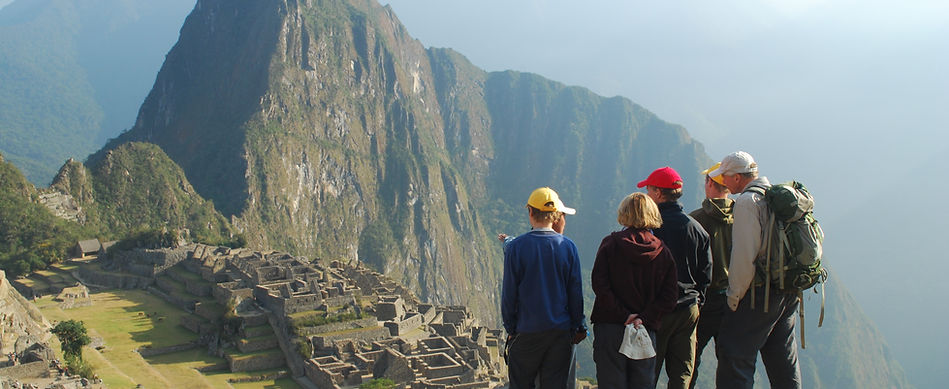
Group tours are one of the best options for first-time solo travelers. You have a built-in group of companions, a professional guide handling all logistics, and a structured itinerary that removes the daily burden of decision-making. Small-group tours, typically 8 to 16 people, have a particularly good balance of companionship and flexibility.
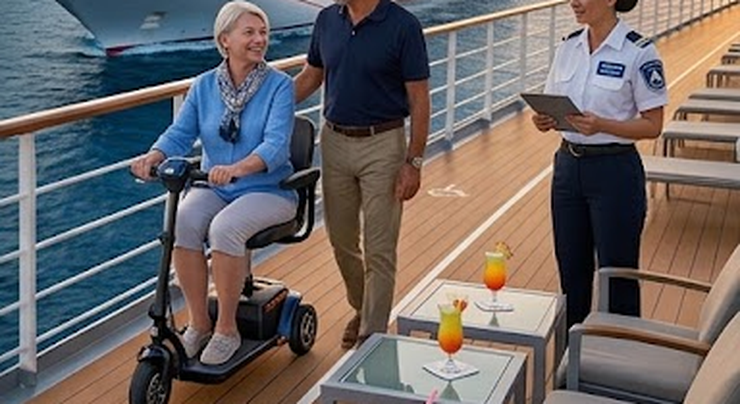
Cruises are especially well suited to solo travelers because the social structure of the ship creates opportunities for connection without obligation. Meals in the main dining room, evening entertainment, and shore excursions all bring travelers together naturally. Most large ships have designated tables for solo diners, and many cruise lines now offer single cabins specifically designed for solo travelers, reducing or eliminating the solo supplement that once made cruising expensive for one person.
Independent travel in established tourist destinations — Western Europe, Japan, New Zealand, Canada — is very manageable for confident solo travelers over 60. Strong infrastructure, clear signage, reliable transportation, and a culture of welcoming tourists make these destinations forgiving for independent exploration.
The Solo Supplement: What It Is and How to Manage It
The most significant financial consideration for solo travelers is the solo supplement. Most cruise and tour pricing is based on two people sharing a cabin or room. When only one person occupies that space, operators charge a supplement, often 50 to 100 percent of the per-person double fare, to cover the revenue lost from the second berth.
There are several ways to manage this. Some cruise lines offer reduced or waived solo supplements on specific sailings or cabin categories — these are worth watching for. Some tour operators offer solo room options at a reduced supplement, or offer to match solo travelers with a same-gender roommate to split costs. River cruise lines have introduced single cabins on newer ships that price at a lower supplement or with none at all.
Booking through a travel advisor who knows which lines and itineraries have the best solo pricing can save hundreds of dollars and is one of the clearest practical arguments for professional help when traveling alone.
Safety Considerations for Solo Travelers Over 60
Solo travel safety is a topic that is often dramatized beyond its practical reality. The vast majority of solo travelers over 60 return home with stories of kindness, helpfulness, and connection — not danger. That said, common-sense precautions make any solo trip safer.
- Share your detailed itinerary with someone at home, including hotel names, phone numbers, and any excursion plans.
- Keep digital and physical copies of your passport, travel insurance, and emergency contacts in separate locations.
- Use a money belt or secure inner pocket for passport and larger amounts of cash in crowded areas.
- Research your destinations before arrival — knowing which neighborhoods to avoid and how transportation works prevents the kind of confusion that creates vulnerability.
- Trust your instincts. Discomfort is useful information. If a situation or a person feels wrong, walk away.
Group tours and cruises add a built-in safety layer because you are rarely truly alone, and a guide or the ship’s staff is always nearby. For independent travel in less familiar destinations, a local guide for at least the first day reduces the learning curve enormously.
Managing Loneliness and Making Connections
The fear of loneliness is what stops many potential solo travelers, and it is worth addressing honestly. Yes, there will be moments when dining alone or returning to a quiet room feels different than traveling with a companion. Those moments pass, and they are typically less frequent than anticipated.
What solo travelers consistently report is that they connect with other people far more readily when traveling alone than when in a pair or group. The person at the next table, the fellow tour participant, the traveler at the museum bench — conversations happen naturally when you are open to them and not already engaged in your own group.
Structured social settings help. A group tour, a dining table that seats multiple solo travelers, a cooking class, a wine tasting, a ship lecture — all of these create the context for connection without requiring you to initiate cold conversation. Choosing activities rather than passive observation builds a richer solo travel experience.
Practical Logistics for Solo Travel
A few logistical considerations matter more when traveling alone than with a companion:
- Travel insurance is not optional. As a solo traveler, there is no one else to step in if something goes wrong, which makes medical coverage and emergency assistance critically important.
- Carry your phone charged and have local data or a SIM that works in your destination. Navigation, translation, and emergency contact all depend on it.
- Pack light. Without a travel partner to help carry luggage, the value of a bag you can manage entirely alone is real. A well-organized carry-on and one checked bag is the practical limit for most solo trips.
- Build in buffer time. Solo travel means handling every unexpected situation on your own — a missed connection, a closed attraction, an illness. Tight itineraries leave no room for adjustment.
Plan Your Solo Trip with Krystal Travel
Solo travel over 60 is not a compromise — it is a different kind of adventure, and for many people it becomes the travel style they love most. At Krystal Travel Co. in San Antonio, we help solo travelers find the right trip format, the best solo pricing, and the confidence to go. Patti Kirst’s own history of independent travel, from living abroad in four countries to exploring 49 states alone with her husband, brings real understanding to solo travel planning. Call 210-826-4149, explore our travel services, or reach out to start planning. Se habla español.