Visiting Japan for the First Time: Tips from a Travel Advisor Who Lived There
Japan is one of the most rewarding destinations in the world. It is exceptionally clean, remarkably safe, and endlessly fascinating, with centuries-old temples just a short train ride from some of the most modern cities on Earth. I had the privilege of living in Japan during my U.S. Air Force career, and it remains one of the places I most love sending clients.
It can also feel intimidating the first time. The language, the customs, and the transportation system are all different from what most American travelers are used to. Here is what you need to know to make your first trip to Japan comfortable and unforgettable.
When to Visit Japan
Japan is a year-round destination, but two seasons stand out. Spring, especially cherry blossom season from late March to early April, is breathtaking and very busy. Fall, from late October through November, brings brilliant autumn leaves, comfortable temperatures, and slightly smaller crowds.
Summer is hot and humid, with a rainy season in June and early July. Winter is cold but clear, and it’s a wonderful time for hot springs and snowy scenery in the mountains. Avoid Golden Week in late April and early May, when much of Japan is on vacation and prices rise.
Getting Around: Trains Make It Easy
Japan’s rail system is one of the best in the world. The bullet trains, or Shinkansen, connect major cities quickly and on time. Within cities, subways and local trains go nearly everywhere. A rechargeable transit card such as Suica or Pasmo makes tapping on and off simple, and it can also be used at many convenience stores and vending machines.
Whether a Japan Rail Pass is worth it depends on your itinerary, so it’s worth pricing your actual route before you buy. A travel advisor can help you compare the options.
Send Your Luggage Ahead
One of the best tips for mature travelers is luggage forwarding. Japan’s delivery services will send your suitcase from one hotel to the next, usually arriving the following day. You can then ride the train with only a small overnight bag, avoiding stairs and crowded platforms with heavy luggage. It’s inexpensive, reliable, and a true trip-saver.
Etiquette Basics
- Tipping is not customary and can even cause confusion. Excellent service is simply expected.
- Remove your shoes when entering homes, traditional inns (ryokan), and some temples and restaurants. Wear shoes that slip on and off easily.
- Keep your voice low on trains and avoid phone calls on board.
- Carry your trash, since public trash cans are surprisingly rare.
- A small bow and a simple “arigatō gozaimasu” (thank you) are always appreciated.
Money and Communication
Credit cards are widely accepted in cities, but cash is still important in smaller shops, temples, and rural areas. Convenience store ATMs generally accept foreign cards. English signage is common in major train stations and tourist areas, and a translation app on your phone handles most other situations.
A Classic First-Time Itinerary
For a first visit of ten to twelve days, a classic route works beautifully:
- Tokyo (4 nights): historic Asakusa, the Meiji Shrine, the Tsukiji outer market, and a day trip to Nikko or Kamakura.
- Hakone (1 night): a traditional ryokan with hot springs and, on a clear day, views of Mount Fuji.
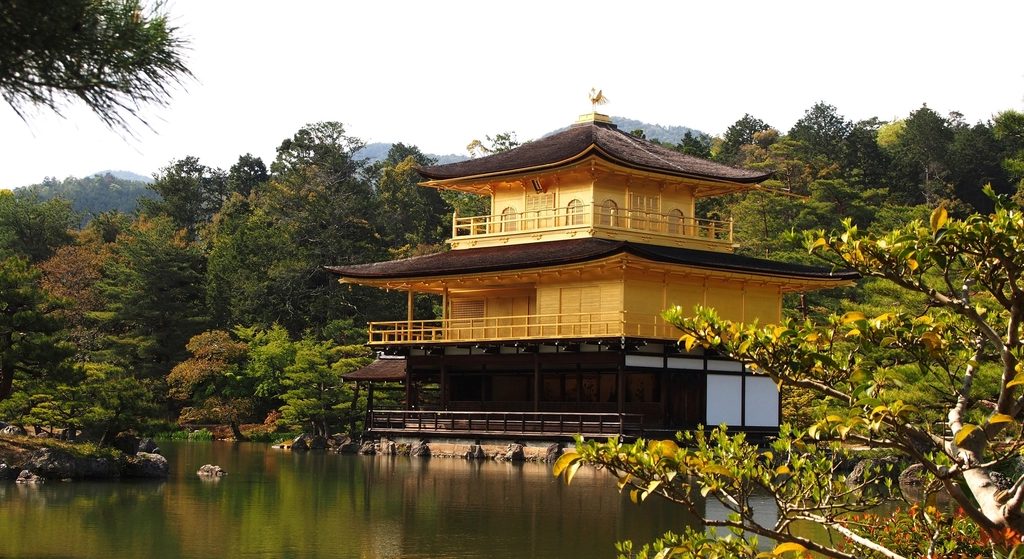
- Kyoto (4 nights): temples, gardens, the Gion district, and a day trip to Nara.
- Osaka or Hiroshima (2 nights): street food in Osaka, or the Peace Memorial and the island of Miyajima.
Prefer to unpack only once? Cruises that circle Japan or combine Japan with South Korea are an excellent alternative, especially in spring and fall.
Plan Your Japan Trip with Someone Who’s Lived It
At Krystal Travel Co. in San Antonio, Patti Kirst brings firsthand knowledge from living in Japan, along with Germany, Turkey, and Taiwan, during her 23-year Air Force career. We can plan your Japan itinerary, ryokan stays, guided tours, and rail travel, or find the right Asia cruise. Call 210-826-4149, explore our travel services, or get in touch to start planning. Se habla español.